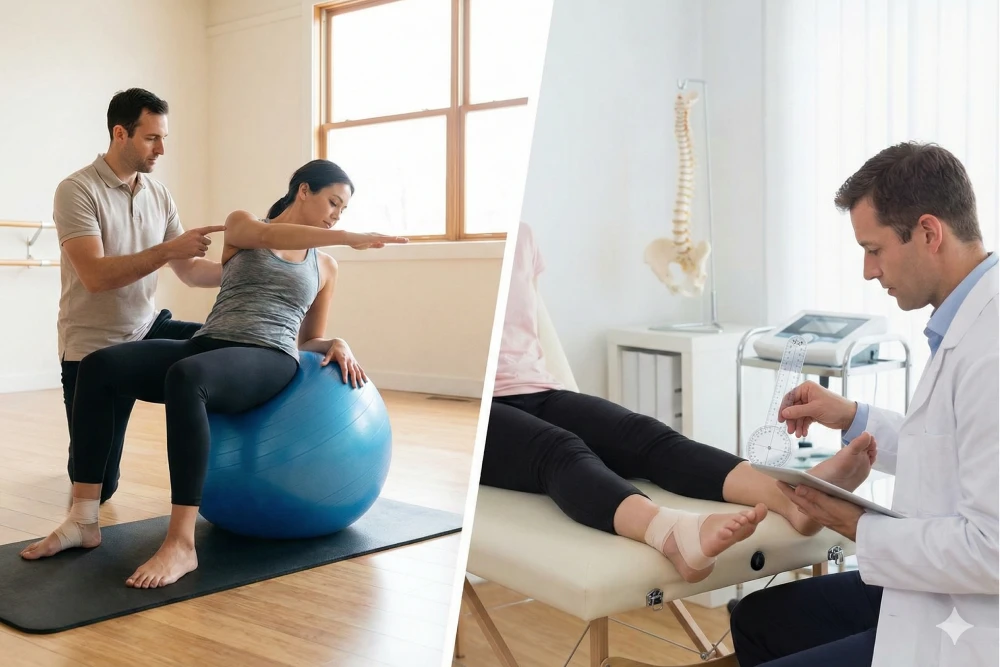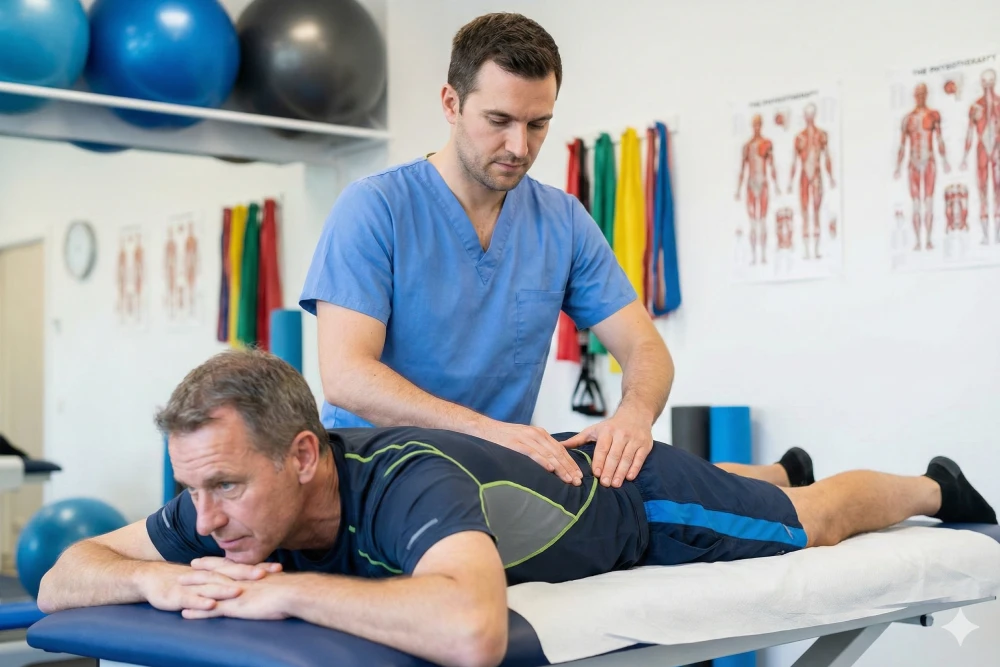

Let’s face it: when we think about getting hurt at work, our minds instantly go to the obvious stuff—falling off a ladder, slipping on a wet floor, or throwing your back out lifting heavy boxes. Nobody really warns you about the dangers of sitting in a rolling chair in a quiet, air-conditioned room. But if you talk to any physiotherapist, they’ll tell you that some of the most stubborn, frustrating physical issues they treat develop right in front of a computer screen. For those of us who spend our days behind a desk, the health risks aren’t sudden or dramatic. They are incredibly slow and quiet. Sitting still for eight hours a day puts a constant, low-grade mechanical stress on your frame. Over months and years, these tiny daily strains compound, eventually turning into persistent aches that follow you home long after you’ve shut down your laptop for the weekend. The good news? Your body always drops hints before things get bad. Catching these hidden warning signs early is the secret to staying comfortable and pain-free. 1. The Afternoon Slump: What Sitting Does to Your Spine Our bodies are naturally built to move, stretch, and walk around. When you lock yourself into a seated position for hours at a time, your posture inevitably starts to collapse as the day wears on. By 3:00 PM, most of us end up in the classic office slouch: the pelvis tilts back, the lower back flattens completely, and the shoulders round forward toward the keyboard. This position places an immense, uneven pressure on your spinal discs and forces the ligaments supporting your lower back to overstretch. Over time, this constant daily strain changes how your joints track, leaving you with that deep, dull lower back ache that makes it hard to find a comfortable position on the couch at night. 2. Forward Head Posture and Tension Headaches Pay attention to where your head goes when you are focusing intensely on a spreadsheet or typing a long email. It slowly drifts forward, closer and closer to the monitor. For every single inch your head leans away from its natural alignment over your shoulders, your neck muscles have to work twice as hard just to keep your head upright. This continuous tug-of-war forces the tiny suboccipital muscles at the base of your skull to stay tightly clenched all day. This constant squeeze restricts healthy local circulation and irritates nearby nerves. That is exactly why so many office workers suffer from those throbbing tension headaches that start in the back of the neck and slowly creep up around the temples. 3. The Mouse and Keyboard Friction Typing and clicking a mouse might seem effortless, but doing it thousands of times a day takes a serious toll on your forearms. If your desk layout or chair height is slightly off, your wrists are likely bending upward or angling awkwardly to the side just to rest on your desk. This forced position causes your forearm tendons to rub continuously against nearby bone and tissue, creating tiny microscopic tears over time. Eventually, this can lead to painful conditions like tendonitis or carpal tunnel syndrome, where the main nerve in your wrist becomes compressed. What starts as a mild, occasional tingling in your fingers can quickly turn into a burning ache and a noticeably weaker grip when you try to open a jar. 4. Tight Hips and “Asleep” Glutes Sitting keeps your hips bent at a sharp 90-degree angle for the better part of your day. Because they are never fully extended, the muscles at the front of your hips (your hip flexors) adaptively shorten, becoming stiff and incredibly tight. The real problem arises because of how our nervous system works. When your hip flexors get overly tight, they send an automatic signal to your glutes (your buttock muscles) telling them to turn off and relax. This leaves you with a major muscular imbalance. When your glutes go to sleep, your lower back has to pick up all the slack whenever you stand up, walk, or bend over, leaving you highly vulnerable to a sudden, painful back strain during normal daily chores. How Physiotherapy Safely Untangles Desk Strain Dealing with desk-related pain takes a lot more than just popping an aspirin or stretching for thirty seconds when you remember to. A professional physiotherapy approach looks at your entire biomechanical chain to figure out exactly why you are hurting and get your body moving properly again. Simple Daily Habits to Protect Your Body You don’t need to completely reinvent your schedule to see a massive difference in how your body feels. Making a few tiny, consistent adjustments can take an immense amount of pressure off your joints: If you are already dealing with persistent stiffness, tingling, or localized aches that just won’t seem to clear up on their own, it’s always best to avoid waiting it out. Checking in with a registered physiotherapist can give you the personalized tools and clarity you need to stay healthy, comfortable, and pain-free throughout your career.